Vintage Christmas Pinup Girl Clipart Review
When I sit down to evaluate a new digital asset for my embroidery studio, I am rarely looking at it as just a picture. I am looking at how it translates into thread. I am thinking about tension, hoop stability, fabric stretch, and the final tactile experience of the customer. Recently, I pulled up Vintage Christmas Pinup Girl Clipart from the Illustrations category to see if it had the legs to survive the rigors of real-world machine embroidery. As someone who has stitched thousands of designs for clients ranging from boutique apparel brands to personal gift buyers, I know that aesthetic appeal is only half the battle. The other half is technical viability.
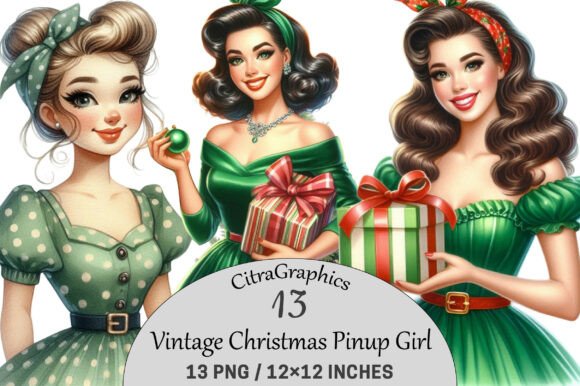
My first impression of this design was one of immediate seasonal charm. It captures that specific mid-century nostalgia that performs exceptionally well in the holiday market. The visual personality is warm, slightly playful, and undeniably festive without being cluttered. For an embroidery project intended for commercial use, this balance is crucial. Too much detail can turn into a muddy mess on a sweatshirt, while too little detail fails to justify a premium price point. This design sits comfortably in the sweet spot, offering enough character to stand out on a shelf but clean enough lines to stitch reliably.
Real-World Application: From Screen to Stitch
To truly test this asset, I imagined it applied to several common handmade product categories. Let’s start with the most obvious candidate: the tote bag design. A canvas tote is a staple for craft fairs and Etsy seller shops during the holidays. When I visualize this pinup girl centered on a sturdy cotton canvas, the contrast works beautifully. However, I immediately considered the background color. On a natural or cream canvas, the vintage tones would pop. On a black tote, we would need to be very careful with the thread colors to ensure the details don’t get lost in the dark fabric. This is where checking your thread colors against your base material becomes non-negotiable.
Next, I looked at its potential for sweatshirt embroidery. Holiday apparel is a massive driver for small businesses. If this design is placed on the chest of a crewneck fleece, the soft texture of the fabric complements the vintage aesthetic perfectly. But here is where practical judgment comes in. Sweatshirts are thick and often have some give. If the original illustration contains tiny, intricate elements—like fine lace patterns or delicate facial features—we might run into issues with stitch density. If the design calls for too many stitches in a small area, the fabric will pucker, ruining the professional look. I recommend testing the stabilizer choice carefully; a cut-away stabilizer is usually best for knits to prevent distortion over time.
I also considered its suitability for aprons and kitchen towels. These items are popular as personalized gift options. The retro vibe fits seamlessly into farmhouse or rustic home decor trends. In this context, the design acts as a focal point. It adds warmth to a kitchen setting. However, aprons undergo frequent washing and heavy use. This means the durability of the embroidery is paramount. We cannot have loose threads or puckering after three wash cycles. This brings us back to the importance of proper digitizing techniques, such as optimizing running stitch paths and ensuring adequate underlay stitches to anchor the design firmly to the fabric.
Technical Considerations and Pitfalls
While the aesthetic is strong, no designer should assume every machine embroidery design will work on every surface. There are specific scenarios where Vintage Christmas Pinup Girl Clipart requires caution. First, consider small hoop sizes. If you attempt to shrink this design down to fit a 4x4 inch hoop, you risk losing critical details. Tiny eyes, subtle shading, or fine text may become indistinguishable blobs of thread. Always inspect small details by zooming in on your digitizing software before committing to production. If the design relies on negative space or thin lines, shrinking it further compromises the integrity of the artwork.
Another challenge arises with textured fabrics. While linen and wool look beautiful, their uneven surfaces can cause needle deflection, leading to misaligned stitches. If you plan to use this on a chunky knit blanket or a textured tea towel, you must test it on scrap fabric first. You may need to adjust the tension or add extra hooping support to keep the stitches uniform. Similarly, stretchy fabric like jersey or spandex blends requires special attention. Without a proper tear-away or water-soluble stabilizer, the design will warp as soon as the hoop is removed.
We must also discuss dark fabric usage. Dark backgrounds demand high-contrast thread choices. If the pinup design includes light pastel highlights, they might disappear against a navy or black garment. In these cases, using a lighter backing fabric or adjusting the thread palette is essential. I often advise creators to create a printable mockup in black and white to check contrast levels before ordering expensive specialty threads. This simple step can save hours of rework and wasted materials.
Impact on Brand Value and Customer Trust
The quality of your embroidery directly influences customer trust. A sloppy stitch job signals a lack of professionalism, regardless of how cute the design is. Conversely, a crisp, well-executed finished product elevates the perceived value of your goods. When customers see a custom apparel item with precise satin stitch edges and consistent fill stitch coverage, they perceive it as a premium item. This is particularly important for commercial embroidery projects where you are competing with mass-produced goods. Your handmade touch is your selling point, but only if it looks polished.
This design also enhances brand consistency. If your shop specializes in vintage-inspired holiday goods, having a cohesive library of assets like this helps build a recognizable identity. Buyers come back because they know what to expect. They associate your brand with a certain mood—a cozy, nostalgic, high-quality feeling. By choosing designs that align with your brand voice, you create a stronger emotional connection with your audience. This leads to higher engagement and repeat purchases.
Practical Designer Notes for Success
Before you upload this file to your machine, there are several steps you should take to ensure success. First, always review the hoop size requirements. Does the design fit comfortably within your largest hoop? If not, you may need to split the design or choose a smaller base item. Second, check the licensing terms. Even though this is an illustration, the rights to use it for commercial embroidery can vary. Confirm whether you can sell finished items or if you are limited to personal use. This is a common pitfall for craft business owners who want to scale their operations.
Additionally, consider the versatility of the asset. Can it be used as an applique design? Sometimes, breaking down a complex illustration into separate pieces allows for more creative fabric choices. For example, using a velvet red for the bow and a satin gold for the trim can add dimension that standard thread colors cannot achieve. This technique is excellent for embroidered patch applications or decorative accents on hats and caps.
Finally, remember that technology evolves. Check if the digital embroidery file is compatible with your current software version. Outdated formats can lead to errors during stitching. By taking these precautions, you protect your investment and ensure that Vintage Christmas Pinup Girl Clipart delivers the high-quality result you envision. Whether you are creating a single baby embroidery gift or stocking shelves for a holiday rush, this design offers a charming foundation for your creative projects. Just remember: good design starts with careful planning and ends with meticulous execution.